
What is Virtual Autism?
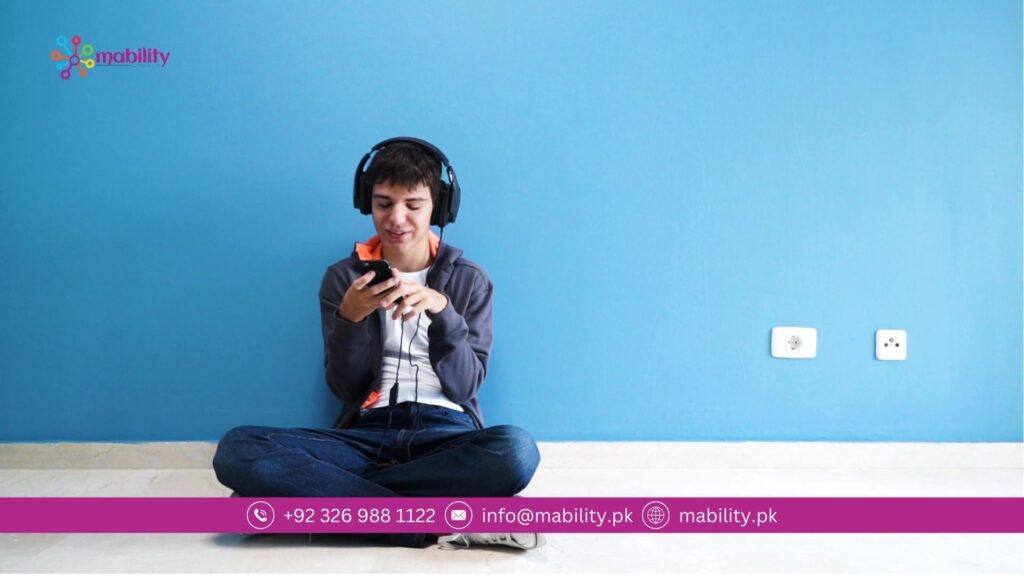
Children that develop autistic-like symptoms while watching TV or utilizing other technologies are said to have virtual autism. It is caused by screen time interfering with brain development and social interaction. Virtual autism might be difficult to diagnose, but it is critical to do so. Knowing if your child’s autistic symptoms are caused by autism spectrum disorder or virtual autism is critical for their developing brains and the family’s emotional health. Virtual autism is a disorder that is thought to develop when young children (under the age of three) are exposed to excessive screen time. This occurs when prolonged screen watching develops autistic-like symptoms.
How can early screen exposure damage growing brains?
Experts caution parents about the risks of exposing their children to four or more hours of screen time every day. Early intensive screen exposure can cause issues in a growing brain. “Most of the time, the child receives only certain sensations (visual and / or auditory) from a virtual environment and is unable to correlate these visual and auditory sensations with other types of sensations: vestibular, tactile, odor, tasteless, and thus is unable to develop appropriately.” If they do not act early (before 2-3 years) in such a youngster, these difficulties would worsen. “This can cause speech stuttering. Cognitive abilities can also be harmed, perhaps leading to mental problems. If your child exhibits autistic-like symptoms and has a history of excessive screen time and he or she may have virtual autism.
How can excessive screen time damage mental health?
Some children enjoy the sensation of tuning out the world and focusing on the predictable, fast-paced, and often comforting atmosphere of the virtual world on their screens, and the light-dark rhythms that help the brain produce melatonin and dopamine, as well as increase a child’s understanding of their relationship to themselves and others, can be disrupted by excessive screen exposure. When children are isolated from the world in which they have been engaged for so long, they may develop screen withdrawal. They may lose their ability to sleep well, engage with people, and so on. They may lose their ability to sleep, communicate with people, and become unhappy or even aggressive. The anger that might accompany this may damage their relationships and leave them with low self-esteem. Knowing that your child’s autistic-like symptoms may be caused by excessive screen usage may be upsetting. Early interventionists propose that the earlier we begin therapy for our children with virtual autism, the better.
“Parents should follow the following rules to restrict their child’s time spent in front of the TV, tablet, computer, or mobile phone:
Make a daily timetable for the youngster to follow.
- Establish guidelines for the child’s usage of the television, computer, and phone.
- Remove any electronic devices from the child’s visual view.
- Rewarding the youngster for following to the daily programmed
- Creating a separate area in the house filled with fascinating items that may be utilized when the youngster becomes bored and wants to play on the tablet. As a result, the emphasis will be on something fresh.
- While doing schoolwork, the TV and computer will be turned off.
Physical activities have a significant influence on a child’s emotional development. Emotional wellness is critical for a child’s growth and may be considerably aided by activity. Sport helps children grow physically, cognitively, and emotionally. Sport promotes interaction. Children will learn to be patient with others, to wait their turn, to be responsible, to respect others, to be accountable, to manage with unexpected events, and to adjust more readily with its aid. Last but not least, kids will make companions their own age who share similar interests.”
Getting our children out into the world is a terrific first step. Social connection with peers, movement, play, and hands-on exploration of the world can all help to improve brain growth and mood. This can both prevent and alleviate virtual autism symptoms.
A virtual autism diagnosis, like actual autistic diagnosis, is not the end of the world. Children’s brains are tough. A little tender loving care and hard effort can help counteract the effects of early screen exposure and make a significant impact in your child’s autistic-like symptoms and behavioral challenges. Eliminating screen time, spending quality time with parents and carers, engaging in active learning, playing, and social interactions can all assist them.
Also Read: What is the Spectrum of Autism?

Mability: Your Trusted Partner in Special Education in Lahore, Rehabilitation in Lahore, and Well-being. Discover a world of inclusive learning and holistic care for children.
Main services
- Special Education
- Physiotherapy
- Nutritionist
- Occupational Therapy
- Psychology
- Speech Therapy
Key features
- Highly Qualified Therapists
- Modern & Well-Equipped Campus
- Excellent Treatment Department
- Stem Learning
- Unique Tailored Plans
Social Links
- Youtube